Refugee Women's NetworK
Empower to Power
The Empower to Power program addresses one of the most significant barriers faced by refugee women: literacy and language acquisition. The program supports women who face significant educational disadvantages, including those who are illiterate in their first language and have had limited or no formal education.
Through English language instruction delivered by certified TESL instructors and supported by interpreters, participants develop foundational communication skills that enable them to navigate daily life, access services, pursue employment opportunities, and advocate for themselves and their families.
The program recognizes that literacy is directly connected to social inclusion, economic participation, and personal empowerment. As women improve their language skills, they experience greater confidence, reduced isolation, increased community engagement, and improved employment readiness.
For many Afghan women, who comprise a significant portion of our client population, educational opportunities were historically limited due to systemic barriers, conflict, and early marriage. By providing accessible and culturally responsive literacy education, the program creates pathways toward economic independence and long-term self-sufficiency.
Women Helping Women
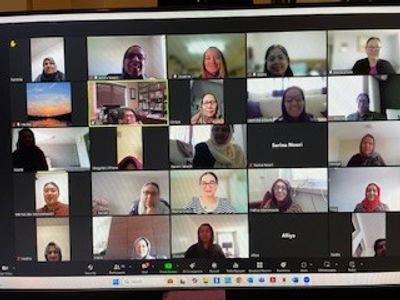
Women Helping Women is a peer-support and community-building program that provides refugee and newcomer women with a safe, confidential, and supportive environment to connect, learn, and heal.
The program addresses the social isolation, anxiety, depression, and settlement challenges commonly experienced by newcomer women. Through facilitated group discussions, educational workshops, and guest speakers, participants gain knowledge about mental health, parenting, women’s health, community resources, and social services.
Women are encouraged to share experiences, exchange information, and build meaningful relationships with others facing similar challenges. This peer-to-peer learning model strengthens confidence, resilience, and social connectedness while fostering a sense of belonging and community.
Participants also receive support navigating practical settlement needs, including housing applications, school systems, healthcare services, financial assistance programs, and access to food and clothing resources. Through these supports, women are better equipped to advocate for themselves and their families while building strong foundations for successful settlement.
The program has also facilitated complex interventions involving child protection, family reunification, and cross-sector collaboration with law enforcement, child welfare agencies, legal professionals, and community organizations. These experiences continue to inform our advocacy efforts and strengthen our commitment to improving systems that support vulnerable refugee women and children.
Gender-based Violence
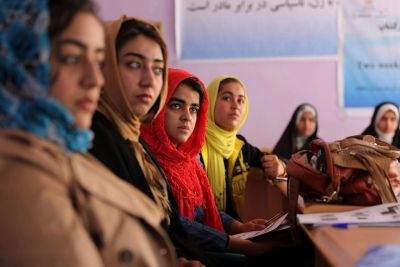
Refugee Women’s Network is committed to supporting women experiencing gender-based violence (GBV) through education, advocacy, emotional support, and access to resources. Many refugee and newcomer women arrive in Canada with limited knowledge of their legal rights and protections, making them particularly vulnerable to abuse, isolation, and exploitation.
Our Gender-Based Violence Supports program helps women recognize and understand the various forms of abuse, including physical, emotional, psychological, financial, sexual, and coercive control. Through culturally sensitive education and interpretation services, participants learn that violence and abuse are not acceptable and that Canadian laws provide protections and resources to support their safety and well-being.
Women are connected to individualized support, counselling, and referrals to specialized services, including shelters, legal supports, healthcare providers, and community agencies. By increasing awareness and understanding of their rights, women gain the confidence to make informed decisions about their safety and future.
A key component of this program is creating opportunities for women to connect with others who have experienced similar challenges. Through shared learning and peer support, participants build resilience, reduce isolation, and develop stronger support networks within their communities.
Intimate Partner Violence Supports
Intimate Partner Violence (IPV) remains a significant challenge for many refugee and newcomer women. Cultural norms, language barriers, family expectations, financial dependence, and fear of community stigma often prevent women from seeking help or disclosing abuse.
For many women we serve, particularly those from highly patriarchal societies, abuse may have been normalized throughout their lives. As a result, women may not recognize certain behaviours as abusive or may believe they have limited options for seeking safety and support.
The Intimate Partner Violence Supports program provides a safe and confidential environment where women can learn about healthy relationships, personal safety, legal protections, and available community resources. Through educational workshops, counselling, and one-on-one support, participants are empowered to understand their rights and explore options available to them.
A significant focus of the program is the development of individualized safety and exit plans. Women receive guidance on practical steps to protect themselves and their children, access emergency services, secure housing, and navigate legal and social support systems.
Refugee Women’s Network works collaboratively with police services, victim services, shelters, legal professionals, healthcare providers, and community organizations to ensure women receive comprehensive support. Guest speakers from domestic violence units and related agencies regularly participate in educational sessions to provide information about legal protection, reporting processes, and available services.
Recognizing the unique barriers refugee women face, our staff and volunteers often provide interpretation, advocacy, and system navigation support throughout the reporting and recovery process. We remain committed to walking alongside women as they rebuild their lives, regain their independence, and move toward safety and stability.

Digital Empowerment
Digital literacy has become an essential skill for participating in modern society. For refugee and newcomer women, the ability to confidently use technology is critical for accessing information, employment opportunities, educational resources, healthcare services, and social connections.
The Digital Empowerment program equips women with practical technology skills that enhance their independence, confidence, and employability. Participants learn foundational digital competencies, including email communication, internet navigation, online safety, virtual meeting platforms such as Zoom, and the use of digital tools required for daily life and employment.
Recognizing the linguistic barriers many women face, digital literacy training is delivered with language support and translated materials, particularly for Dari-speaking participants. This approach ensures accessibility and enables women to fully engage with technology regardless of their educational background.
By developing digital skills, participants are better positioned to pursue employment, access community resources, support their children’s education, and remain connected with family and social networks. Digital literacy serves as a gateway to greater social inclusion, economic participation, and lifelong learning.

Financial Literacy
Financial independence is a critical component of long-term settlement success and personal empowerment. Many refugee and newcomer women arrive in Canada with limited knowledge of the Canadian financial system and may face barriers to accessing financial services and opportunities.
The Financial Literacy program provides women with the knowledge and tools needed to make informed financial decisions and effectively manage their personal finances. Through workshops led by banking professionals and financial experts, participants learn about budgeting, saving, banking services, credit management, investment fundamentals, and financial planning.
Topics include opening bank accounts, understanding online banking, building credit, tax basics, Registered Education Savings Plans (RESPs), Registered Retirement Savings Plans (RRSPs), and strategies for achieving long-term financial goals.
By increasing financial knowledge and confidence, women gain greater control over their economic futures. Financial literacy not only strengthens individual financial stability but also contributes to stronger families and more resilient communities.
Economic Empowerment
Economic empowerment is fundamental to achieving self-sufficiency and reducing poverty among refugee and newcomer women. Refugee Women’s Network supports women in developing the skills, knowledge, and confidence necessary to pursue employment, self-employment, and entrepreneurial opportunities.
The Economic Empowerment and Entrepreneurship program provides training and mentorship for women interested in starting home-based businesses or small enterprises. Participants receive guidance in areas such as business planning, marketing, customer service, budgeting, regulatory requirements, and operational management.
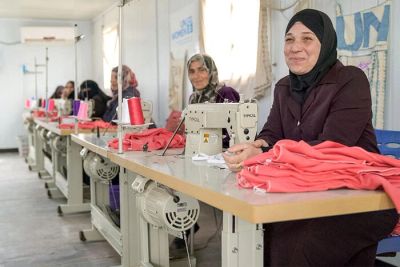
Women are encouraged to explore entrepreneurial opportunities that build on their existing skills and experiences, including catering, baking, sewing, childcare services, arts and crafts, and other small business ventures. Participants learn how to identify market opportunities, develop business plans, access permits and licensing requirements, and establish sustainable business practices.
Beyond technical business skills, the program fosters leadership, confidence, and decision-making abilities. Women gain the tools necessary to generate income, contribute to their households, and create greater financial security for themselves and their families.
Through entrepreneurship, women are empowered to transform their talents and experiences into economic opportunities while strengthening their role as contributors to Canada's economy.
Housing and Settlement Navigation Supports
Safe and stable housing is one of the most critical factors influencing successful settlement and long-term well-being. Refugee Women’s Network provides individualized assistance to women and families navigating complex housing systems and securing affordable accommodation.
Staff and volunteers support clients with subsidized housing applications, housing searches, understanding tenancy rights, completing required documentation, and connecting with community housing resources. We also assist women in accessing emergency housing options when safety concerns arise, particularly in situations involving family violence or homelessness.
Beyond housing, participants receive support navigating a wide range of settlement services, including healthcare, education, income supports, childcare resources, and community programs. These services help women establish stability, reduce barriers, and access the resources necessary to thrive in their new communities.
By strengthening women’s ability to navigate systems independently, we promote long-term self-sufficiency and successful integration into Canadian society.
The next section would cover Digital Empowerment, Financial Literacy, Economic Empowerment & Entrepreneurship, Canadian Citizenship Classes, Program Outcomes, and Organizational Impact in the same professional stakeholder-ready format.
Canadian Citizenship Classes
Obtaining Canadian citizenship represents an important milestone in the settlement journey for many newcomer women. Citizenship provides a sense of belonging, civic participation, and full engagement in Canadian society.
Refugee Women’s Network offers culturally responsive citizenship preparation classes designed specifically for women preparing to write the Canadian Citizenship Test. Recognizing the language barriers faced by many participants, classes are delivered in Dari to ensure a comprehensive understanding of the material.
Participants learn about Canadian history, government, geography, rights and responsibilities of citizenship, and democratic institutions. The program provides a supportive learning environment where women can ask questions, build confidence, and prepare successfully for the citizenship process.
By supporting women on their pathway to citizenship, the program strengthens civic engagement, promotes inclusion, and helps participants become active and informed members of their communities.
